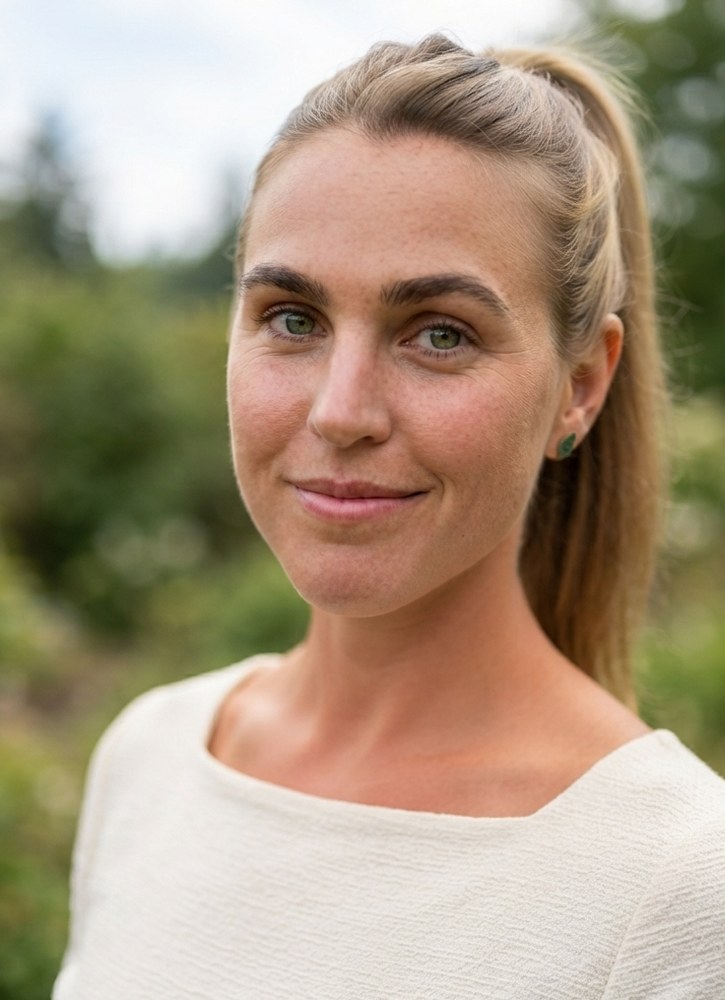
An operator who builds the systems she used to run by hand.
An operator's instinct, an engineer's rigor, and a daily practice building with AI — the throughline that ties them together.
The throughline
For nearly a decade I ran operations — the submissions to chase, the records to reconcile, the same email sent for the fortieth time. I automate that work now because I've done it by hand, and I know exactly where it breaks.
I've done the work I automate
Years of running operations taught me what a process actually costs when a person is the thing holding it together. That isn't background experience — it's why I can see, fast, which step should never have needed a human in the first place.
I think in systems, not tasks
An engineering academic foundation sits underneath all of it. It's why I reach for schemas and failure states instead of quick fixes, and why I care how one decision ripples into three others downstream. Wiring two tools together is the easy part; designing the whole so it holds as it grows is the part worth paying for.
I keep the AI on the judgment
The last stretch has been hands-on AI automation, every day. I design the layer that drafts, summarizes, and classifies, while the logic underneath — matching, routing — stays deterministic. So a form submission becomes a matched, filed, followed-up record on its own.
The combination is the whole point. Operations depth, an engineering foundation, and real AI fluency rarely live in one person, and the gap between them is exactly where the interesting problems sit.
Building the operational backbone for Forum for Naturals.
A private membership network for senior leaders in the naturals industry. I own the operational backbone — the database that holds members, agencies, and resources; the automations that move data between them; and the AI layer that turns all of it into reports, drafts, and member-facing pages. Now I'm leading the platform rebuild on a cleaner, more controlled stack, documented as I build it.
I like the moment a tangle of manual steps becomes one clean thing that simply runs.
A few rules I don't bend.
Deterministic by default
AI handles the judgment — drafting, summarizing, classifying. The logic that has to be correct runs on rules you can read, so the system stays verifiable and safe to re-run.
Whole-loop ownership
One architect across database, intake, automation, AI, and output. One audit trail from input to result, with no seams where responsibility slips between vendors.
Honest no's
If a thing shouldn't be automated yet, I'll say so. A real plan you can act on beats a hopeful one that quietly drifts a month after launch.
Built to hand off
Documented the whole way down, so the system is yours to own rather than a standing dependency on me. The best work I do is the work you stop needing me for.
Away from the screen I'm usually outside, somewhere open and far from the churn of it all. Not by accident, it's how I like my systems: spare, steady, alive without asking for attention. The work I'm proudest of is invisible by design. You only notice it the day it isn't there.
The short answers.
Who am I?
I'm Kira Hancock — an AI automation and systems architect who combines nearly a decade of operations experience, an engineering academic foundation, and hands-on AI automation. I design systems that connect databases, forms, and inboxes with an AI layer in the middle to handle the judgment calls.
What do I do?
I build AI-powered automation and systems architecture: workflow design, data and schema architecture (often in Airtable), and member platforms with role-based access. My technical practice operates as ousios.dev.
How can we work together?
I take on select engagements through my practice at ousios.dev, and you can reach me by email at kira@kirahancock.com.
This page is the person. The work lives next door.
The practice, the stack I build on, and how to start a project all live at ousios.dev. If you've got a process running on your attention instead of on its own, that's the kind of problem I build for.